Let's Shape The Future Of Your Investments!
Natoque iaculis cursus augue urna commodo aptent morbi tortor porttitor quis ornare.

The world of cannabis is expanding rapidly, moving far beyond simple classifications. As research uncovers the complexities of the cannabis plant, consumers are faced with an alphabet soup of compounds: CBD, THC, and the increasingly popular CBN. While all originate from cannabis, they offer vastly different experiences and therapeutic potential. The rising popularity is clear, with data showing that approximately 33% of Americans have reported using CBD more than once. Understanding the distinctions between these cannabinoids is crucial for anyone looking to make informed decisions about their wellness.
Cannabinoids are naturally occurring chemical compounds found in the Cannabis sativa plant. To date, scientists have identified over 100 of them. These compounds interact with the human body’s endocannabinoid system (ECS), a complex cell-signaling network that plays a vital role in regulating functions like sleep, mood, appetite, and pain. The ECS helps maintain homeostasis, or internal balance, and cannabinoids from the cannabis plant can influence this system to produce various effects.
This guide will demystify the three most prominent cannabinoids: Cannabinol (CBN), Cannabidiol (CBD), and Tetrahydrocannabinol (THC). We will dissect their unique properties, mechanisms of action, therapeutic uses, and legal standing. By exploring their core differences, from psychoactivity to how they interact with cannabinoid receptors, you will gain the clarity needed to navigate the diverse landscape of cannabis products and choose the compound that best aligns with your personal health and wellness goals.
While they share a common origin, each of these three compounds has a distinct chemical profile that dictates its effects on the body and mind.
CBD is perhaps the most well-known non-intoxicating cannabinoid, celebrated for its potential therapeutic benefits without the “high.” Primarily sourced from hemp plants, which are legally defined as Cannabis sativa containing less than 0.3% THC, CBD has become a wellness staple. The global market for CBD, which hit $9.4 billion in 2023, is a testament to its widespread adoption for managing anxiety, inflammation, and pain. Products like CBD gummies and oils are commonly used to promote a sense of calm and overall well-being.
CBN is a minor cannabinoid that is gaining significant attention for its potential sedative properties. Unlike CBD and THC, CBN is not directly synthesized by the cannabis plant in large quantities. Instead, it forms as THC ages and breaks down due to exposure to oxygen and heat. For this reason, aged cannabis strains often have higher concentrations of CBN. While research is still in its early stages, CBN is often marketed as a natural sleep aid, with products like CBN oil and CBN gummies becoming popular choices for those seeking to improve their sleep quality.
THC is the most famous cannabinoid, known primarily for its psychoactive effects—the “high” associated with marijuana. It is the most abundant cannabinoid in most cannabis strains grown for recreational use. Beyond its recreational cannabis applications, THC has significant therapeutic value and is a cornerstone of many medical cannabis programs for its potent effects on pain relief, appetite stimulation, and nausea reduction.
The distinct effects of CBN, CBD, and THC stem from their unique interactions with the body’s endocannabinoid system.
The most significant differentiator is psychoactivity.
The endocannabinoid system features two primary cannabinoid receptors: CB1 receptors, found mostly in the brain and central nervous system, and CB2 receptors, located mainly in the immune system and peripheral tissues.
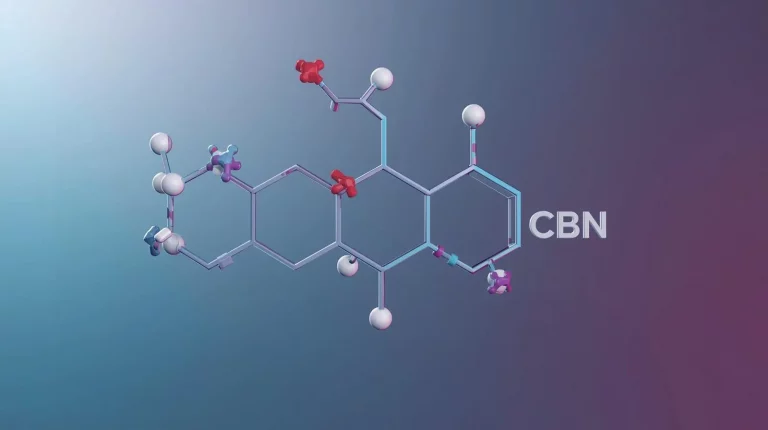
CBN, CBD, and THC share a similar molecular formula but have different atomic arrangements. This slight variation in their chemical structure is what determines how they interact with cannabinoid receptors. THC’s structure allows it to fit perfectly into the CB1 receptor, while the structural shapes of CBD and CBN prevent this strong binding, leading to their dramatically different physiological and psychological effects.
Each cannabinoid presents a unique profile of potential benefits, making them suitable for different medical conditions and wellness goals.
CBD is widely used for its calming and anti-inflammatory properties. Research and anecdotal evidence suggest it is effective for:
CBN’s primary reputation is as a sleep aid. While more human studies are needed, preliminary findings and user reports suggest it can be beneficial for:
THC is a powerful compound used for both medical and recreational purposes. Its primary therapeutic uses include:
Cannabinoids do not always act alone. The concept of the entourage effect suggests that these compounds can work together synergistically to produce enhanced effects.
The entourage effect is the theory that all the compounds in the cannabis plant—cannabinoids, terpenes (aromatic oils), and flavonoids—work together to produce a greater therapeutic benefit than any single compound could alone. For example, CBD may help mitigate some of the unwanted anxiety that THC can cause, while certain terpenes may enhance a cannabinoid’s calming or pain-relieving properties.
Understanding product types is key to leveraging the entourage effect.
Navigating the world of cannabinoids requires careful consideration of product types, dosage, and potential risks.
Cannabinoids are available in various forms, and the method of drug administration affects how quickly they work and how long their effects last.
There is no one-size-fits-all dosage for cannabinol. The ideal dose depends on factors like body weight, metabolism, the condition being treated, and individual sensitivity. The universal recommendation is to “start low and go slow.” Begin with a small dose and gradually increase it over days or weeks until you find the minimum effective amount that achieves your desired results.
While generally well-tolerated, cannabinoids can have side effects.
A critical consideration for many is the impact on drug tests. Standard drug tests screen for THC metabolites.
The legal landscape for cannabinoids is complex and constantly changing.
The 2018 Farm Bill federally legalized hemp and hemp-derived products (like CBD and CBN) containing less than 0.3% THC. However, states can enact their own laws. Marijuana-derived THC remains a Schedule I controlled substance at the federal level, though many states have legalized it for medical or recreational use. Always check your local laws before purchasing or consuming any cannabis products. The massive scale of the industry, projected to see retail cannabis sales upwards of $53.5 billion by 2027, continues to drive legal reform.
Before starting any new supplement, it is essential to consult with a healthcare provider. This is especially important if you have underlying medical conditions or are taking other medications, as cannabinoids can interact with certain prescription drugs. A knowledgeable professional can provide personalized guidance on dosage and product selection.
Making the right choice depends entirely on your individual needs and wellness objectives.
Ultimately, understanding the fundamental differences between CBN, CBD, and THC empowers you to move beyond the hype and make educated choices. Whether you seek better sleep, relief from pain, or a way to manage daily stress, the world of cannabinoids offers a tailored solution waiting to be discovered.