Let's Shape The Future Of Your Investments!
Natoque iaculis cursus augue urna commodo aptent morbi tortor porttitor quis ornare.
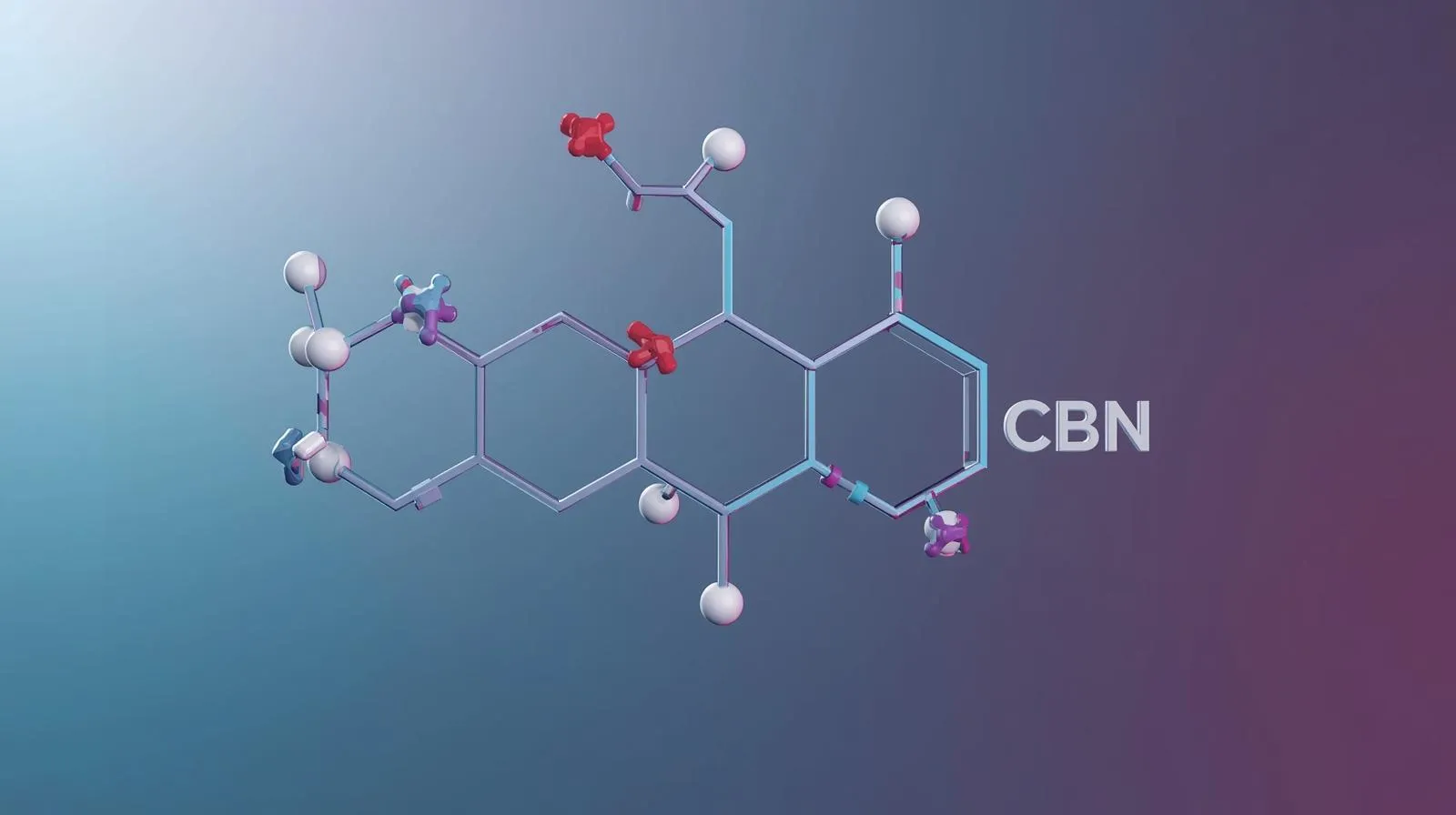
The world of cannabinoids is rapidly expanding beyond the well-known THC and CBD. As interest in the therapeutic potential of the cannabis plant grows, lesser-known compounds are stepping into the spotlight.
One of the most promising is Cannabinol. But what is CBN. Often dubbed the “sleepy cannabinoid,” CBN is gaining significant attention for its unique properties and potential health benefits. This guide serves as your essential resource, cutting through the noise to provide a clear, science-backed look at what CBN is, how it works, its potential uses, and what you need to know to navigate the market responsibly.
We will explore everything from its origins as an aged form of THC to its interaction with the body’s endocannabinoid system, offering a comprehensive overview for both the curious newcomer and the seasoned cannabis enthusiast.
For years, the conversation around the Cannabis sativa plant has been dominated by two compounds: Tetrahydrocannabinol (THC), known for its psychoactive effects, and Cannabidiol (CBD), celebrated for its non-intoxicating therapeutic applications.
Now, Cannabinol (CBN) is emerging as a significant player. As a minor cannabinoid, CBN is typically found in smaller quantities in the fresh cannabis plant. However, its unique profile and potential benefits, particularly concerning sleep and relaxation, are carving out a distinct niche in the wellness landscape.
Understanding CBN is key to unlocking a fuller appreciation of the plant’s complex chemistry.
CBN’s rise in popularity is driven by a confluence of consumer demand for natural wellness solutions and evolving scientific research. The global cannabinoids market is expected to grow from $39.45 billion in 2024 to $47.03 billion in 2025, and this explosive growth is creating space for compounds like CBN.
Consumers are actively seeking alternatives for managing sleep, pain, and inflammation, and early research suggests CBN may offer support in these areas without the intense high associated with THC. As more people explore cannabis products beyond the mainstream, CBN stands out as a compound of significant interest.
 CBN forms as THC oxidizes over time due to exposure to oxygen and heat.
Cannabinol (CBN) is a phytocannabinoid that is not directly produced by the cannabis plant in large quantities. Instead, it is the result of a degradation process. Specifically, CBN is formed when THC, the primary psychoactive compound in cannabis, is exposed to oxygen and heat over time. This is why aged cannabis material often contains higher concentrations of CBN. It was one of the first cannabinoids to be isolated by scientists, yet it has remained in the shadow of THC and CBD until recently. Its unique origin story as the “aged” cannabinoid contributes to its distinct chemical structure and effects.
The creation of CBN is a natural process of oxidation. In the living cannabis plant, enzymes synthesize cannabinoids like CBGA, which is then converted into THCA, CBDA, and CBCA. When the plant is harvested and cured, THCA (the non-psychoactive acid form) converts to THC through decarboxylation (heat). Over time, as this THC is exposed to air and ultraviolet light, it breaks down and loses hydrogen molecules, transforming into CBN. This is not a direct enzymatic synthesis but rather an environmental degradation, making CBN a unique byproduct of THC’s life cycle.
While all three are prominent cannabinoids, they differ significantly in their origins, effects, and interactions with the body.
These distinctions are crucial for understanding why each compound offers a different experience and set of potential benefits.
To understand how CBN works, one must first understand the Endocannabinoid System (ECS). The ECS is a complex cell-signaling network present in all vertebrates, playing a crucial role in maintaining homeostasis, or internal balance. It regulates a vast range of physiological processes, including sleep, mood, appetite, pain, and immune response. The ECS consists of three core components:
CBN’s effects are dictated by how it interacts with the ECS. Unlike CBD, which has a weak binding affinity for cannabinoid receptors, CBN directly engages with them, albeit differently than THC. CBN shows a higher affinity for the CB2 receptor than the CB1 receptor. The interaction with CB2 receptors is thought to be linked to its potential anti-inflammatory effects and role in immune function. Its mild affinity for CB1 receptors is why it is generally considered non-intoxicating but can produce very mild psychoactive effects at high doses, often described as sedative or groggy rather than euphoric. This unique binding profile sets it apart and is central to its therapeutic potential.
The entourage effect is a theory suggesting that cannabinoids work better together than they do in isolation. When various compounds from the cannabis plant—including cannabinoids, terpenes, and flavonoids—are consumed together, their synergistic interaction can enhance their therapeutic benefits. CBN plays a significant role in this dynamic. For instance, when combined with THC, CBN’s sedative effects may be amplified. A study in Neurotherapeutics indicated that CBN might decrease muscle sensitization and reduce pain perception when combined with other cannabinoids like THC. This is why many cannabis products, such as full spectrum and broad spectrum hemp extracts, are formulated to include CBN alongside other cannabinoids to maximize their collective impact.
Perhaps the most well-known purported benefit of CBN is its use as a sleep aid. While early research from the 1970s suggested CBN was a potent sedative, modern science posits that its relaxing effects may be more pronounced when combined with THC. However, recent studies focusing on CBN alone are showing promise for treating sleep disorders. A 2023 trial found that participants taking 20mg of CBN experienced a statistically significant reduction in nighttime awakenings. Another 2024 study noted that participants taking 20mg of CBN reported less overall sleep disturbance and less daytime fatigue compared to a placebo group. User-reported data also supports these findings, with one 2021 survey showing 81% of participants reported better quality sleep with CBN.
CBN is also being investigated for its potential role in pain management. Its analgesic properties are believed to stem from its interaction with the ECS and its ability to influence pain signaling pathways. Research suggests CBN may help manage pain by affecting the activity of neurons that transmit pain signals to the brain. Its potential for pain relief is often linked to its anti-inflammatory properties. For example, one clinical trial showed that a transdermal formula containing THC, CBD, and CBN provided significant therapeutic efficacy in ameliorating painful diabetic peripheral neuropathy symptoms. This suggests CBN could be a valuable component in multi-cannabinoid approaches to pain.
Chronic inflammation is a root cause of many diseases, and cannabinoids are being studied for their ability to mitigate it. CBN has demonstrated notable anti-inflammatory properties in preclinical studies. By interacting with the CB2 receptor, which is heavily involved in immune system regulation, CBN may help reduce the production of inflammatory cytokines. Research published in the journal Cannabis and Cannabinoid Research has explored these mechanisms. While more human studies are needed, these findings suggest that CBN could be beneficial for conditions characterized by inflammation, such as arthritis and inflammatory bowel disease.
While THC is famous for stimulating appetite, CBN has also shown potential in this area. A 2012 rodent study found that CBN increased appetite and the amount of food consumed. This suggests that CBN could be a viable therapeutic option for individuals struggling with appetite loss due to medical conditions or treatments, potentially without the potent psychoactive effects of THC. This could provide an important alternative for patients who need appetite stimulation but wish to avoid a strong high.
Emerging research highlights CBN’s neuroprotective properties, indicating it may help protect brain cells from damage and degeneration. In a 2005 study on rodents, CBN was shown to delay the onset of an animal model of Amyotrophic Lateral Sclerosis (ALS). This suggests potential applications in neurodegenerative diseases like Alzheimer’s and Parkinson’s. While preliminary, these findings open an exciting frontier for cannabinoid-based therapies aimed at preserving brain health. This area of research also touches on conditions like Dravet syndrome, where cannabinoids have shown promise in managing symptoms.
Beyond the major areas of interest, CBN is being explored for other therapeutic uses. Early laboratory studies have indicated that CBN may have potent antibacterial properties, proving effective against strains of MRSA bacteria that are resistant to traditional antibiotics. Additionally, research suggests CBN may help reduce intraocular pressure, a key factor in glaucoma. These areas are still in their infancy but showcase the broad therapeutic spectrum that Cannabinol may one day occupy.
As interest in CBN grows, so does the variety of available products. Consumers can find CBN in several forms, each offering a different method of consumption and onset of effects:
When choosing cannabis products, you’ll encounter these three terms:
The cannabinoid market is largely unregulated, making it essential for consumers to be diligent. Here’s what to look for:
The method of drug administration affects how quickly you feel the effects of CBN and how long they last.
Choosing the right method depends on personal preferences and the specific outcomes you hope to achieve. Sublingual and inhalation methods are optimal for quick relief, while edibles and topicals may be preferred for their sustained effects
When deciding how to incorporate CBN into your wellness routine, consider several factors to ensure you select the method that best meets your needs:
Before incorporating CBN into your routine, consider the following safety tips:
By understanding the nuances of CBN, you can make informed decisions whether you’re looking to enhance your wellness routine or seek natural alternatives for common health issues.
Cannabinol (CBN) is carving out its niche in the realm of cannabinoids, offering potential benefits that cater to sleep support, pain management, and relaxation. While research is still developing, the promising early findings and anecdotal evidence highlight CBN’s potential as a natural wellness supplement. As with any health or wellness product, it is crucial to approach CBN thoughtfully, taking into consideration your personal health needs and consulting with medical professionals when necessary.
Whether you are an experienced cannabis user exploring new cannabinoids or someone curious about incorporating natural supplements into your regimen, CBN presents an intriguing option. By ensuring high-quality product selection and careful dosage control, you can safely explore what CBN has to offer. As scientific exploration continues, staying informed about the latest research will further aid in making educated decisions about how CBN can fit into your lifestyle.